Most people don’t fail to start a podcast because the tools are bad. They fail because someone handed them a list of fifty apps and the enthusiasm drained out somewhere around number twelve. A podcast needs exactly three tools, not fifty, and you can start with all three for free. This is a hands-on corner of the content toolkit, so let’s cut the list down to what you actually press record on this week.
The verdict, up front (TL;DR). A podcast is three jobs: record, edit, host. The free starter stack: record on Riverside Free or Zencastr Free, edit in Descript Free, host on Spotify for Creators (genuinely free, no limits). Total cost: $0. When the show earns it, upgrade one link at a time — Riverside Pro or Zencastr for recording, Descript Hobbyist for editing, Buzzsprout or Transistor for hosting. Don’t buy the pro stack for a show that doesn’t exist yet.
The three jobs, and only three
Strip away the noise and a podcast is a short assembly line with three stations. Get one tool for each and you’re done shopping.
- Record. Capture clean audio (and video, if you want it), including remote guests, without their bad connection wrecking the file.
- Edit. Cut the dead air, the stumbles, the tangent that went nowhere; add intro and outro.
- Host. Put the finished episode somewhere that generates your RSS feed and pushes it to Spotify, Apple Podcasts, and the rest.
That’s the whole machine. Everything else — fancy mics, dynamic ad insertion, AI show notes — is an upgrade you add later, if ever. Let’s build the free version first.
The free starter stack (total: $0)
You can launch a real, publicly listed podcast without spending a dollar. Here’s the stack I’d hand a nervous first-timer.
Record: Zencastr Free or Riverside Free. Both record each participant on their own end for clean audio, so a guest’s spotty Wi-Fi doesn’t ruin your file. Zencastr’s free “Vibecastr” tier is notably generous — up to six participants, five shows, unlimited transcription and storage, and 4K recording — after an August 2026 restructure that made its free plan the standout for cost-conscious starters (its paid tiers went quote-only, but the free one is what matters here). Riverside’s free tier is more limited — 720p, watermarked, two hours total — but fine for testing. For a free start with guests, Zencastr is the pick.
Edit: Descript Free. Descript transcribes your recording and lets you edit by deleting words from the transcript — the friendliest possible on-ramp for someone who’s never edited audio. The free tier gives one hour of media a month with a watermark on video exports, which is enough to cut your first few episodes. Editing by text instead of waveform is the single biggest reason beginners actually finish episodes.
Host: Spotify for Creators. This is the quiet MVP of a free stack: hosting that’s genuinely, entirely free — no tiers, no upload caps, unlimited episodes, with distribution, analytics, and native video. It generates your feed and pushes to Spotify with the deepest reach on the platform, and distributes elsewhere too. For a starting show, paying to host is often unnecessary.
Record in Zencastr, drop the file into Descript, publish through Spotify for Creators. That’s a live podcast for nothing.
The at-a-glance comparison
When you’re ready to spend, here’s where the paid options land. Prices are effective monthly on annual billing.
| Job | Free option | Paid upgrade | Why upgrade |
|---|---|---|---|
| Record | Zencastr Free / Riverside Free | Riverside Pro $24/mo | 4K, more hours, no watermark |
| Edit | Descript Free (1 hr/mo) | Descript Hobbyist $16/mo | 10 hrs/mo, no watermark, AI tools |
| Edit (hands-off) | — | Alitu $38/mo | Auto-cleanup, one flat price |
| Host | Spotify for Creators (free) | Buzzsprout $15/mo · Transistor $19/mo | Own analytics, dynamic ads, multi-show |
The pro upgrade path (in order)
Upgrade the link that’s actually straining, not all of them at once. Here’s the usual order.
First, recording — if you have regular guests or want video. Riverside Pro, around $24 a month annually, records up to 4K, removes the watermark, and gives you five recording hours a month (Grow at $34 raises that to fifteen). This is the first upgrade worth making for an interview show, because recording quality is the one thing you can’t fix in the edit.
Next, editing — when one hour a month isn’t enough. Descript Hobbyist at about $16 a month annually gives ten hours of media and drops the watermark; Creator at $24 gives thirty if you publish weekly. If you’d rather not edit at all, Alitu is the hands-off alternative at a flat $38 a month — it auto-cleans your audio, assembles the episode, and even hosts it, trading fine control for near-zero effort. Best for the creator who wants a finished episode without touching a timeline.
Last, hosting — when you want real analytics or ads. Spotify’s free hosting is excellent, but you’ll eventually want your own numbers and monetization options. Buzzsprout (from $15 a month annually) is the friendliest, most polished host for beginners — just note its free episodes expire after 90 days, so treat that as a trial. Transistor (from $19 a month) is the pick for anyone running multiple shows, since every tier includes unlimited podcasts and team seats. Move here when hosting on someone else’s terms starts to chafe.
Recording well matters more than any tool
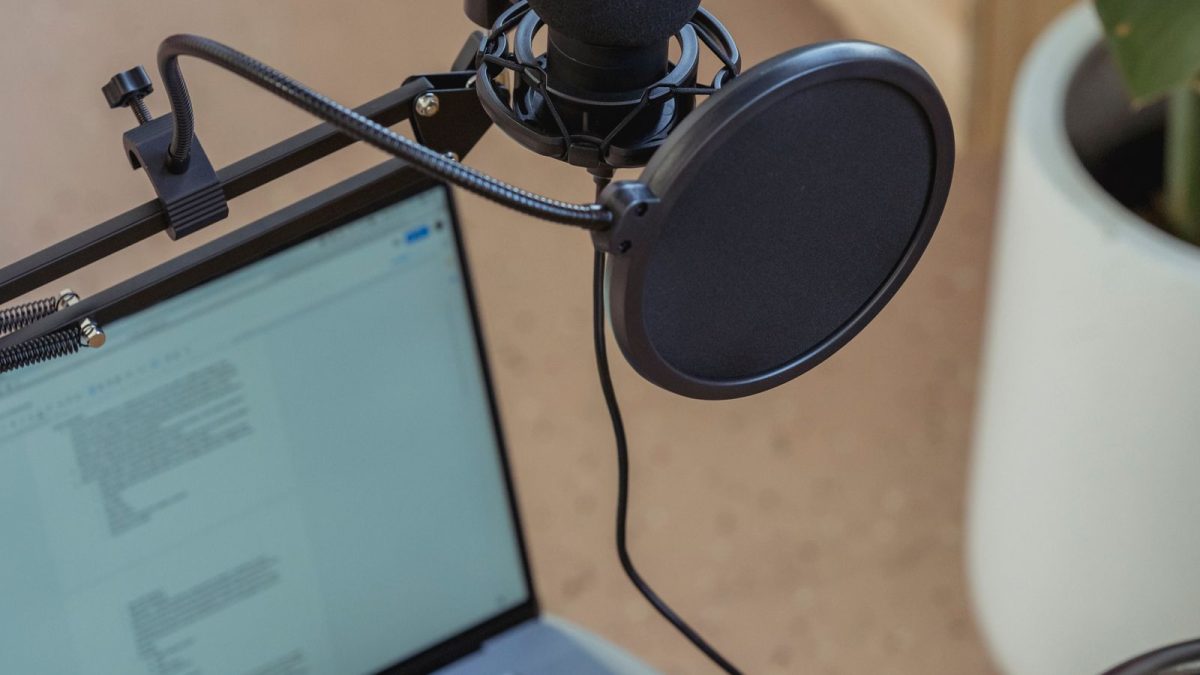
One craft note, because it’s the highest-leverage thing I can tell a beginner: no software fixes audio that was recorded badly. Descript can trim your umms and Alitu can clean up hiss, but neither can rescue a hollow room or a laptop mic. If you spend money anywhere first, spend it on a decent USB microphone and record somewhere soft — a closet of hanging clothes is a better studio than an empty office. Good input is the one thing the whole stack downstream depends on.
The workflow it unlocks
A finished episode is a content factory if you let it. The talking-head video from a Riverside recording is edited like any other video — the same Descript-first workflow applies. And one episode is raw material for a week of everything else: clips, quotes, a companion newsletter issue. Turning that single recording into ten posts is exactly the job repurposing tools do, and pairing your podcast with a newsletter gives the same ideas a written home. Build the free stack, record one honest episode this week, and upgrade only the link that starts to strain.
Sources
- Zencastr pricing (Vibecastr Free: 6 participants, 5 shows, unlimited transcription/storage, 4K; paid quote-only after Aug 2026 restructure): https://zencastr.com/pricing — accessed 2026-09-26
- Riverside pricing (Free 2 hrs/720p/watermark; Pro $24/mo annual, 4K, 5 hrs/mo; Grow $34, 15 hrs/mo): https://riverside.com/pricing — accessed 2026-09-26
- Descript pricing (Free 1 hr media/mo watermarked; Hobbyist $16/mo annual; Creator $24): https://www.descript.com/pricing — accessed 2026-09-26
- Alitu pricing (flat $38/mo; ~$32/mo annual; auto-cleanup + editing + hosting): https://alitu.com/pricing — accessed 2026-09-26
- Buzzsprout pricing (Free 2 hrs/mo, episodes expire after 90 days; Audio $15/mo annual): https://www.buzzsprout.com/pricing — accessed 2026-09-26
- Transistor pricing (Starter $19/mo, 20,000 downloads/mo, unlimited shows/seats): https://transistor.fm/pricing — accessed 2026-09-26
- Spotify for Creators (free hosting, no tiers/caps; formerly Anchor/Spotify for Podcasters): https://creators.spotify.com — accessed 2026-09-26
